Park House Hotel - Translating the Experience Online
Park House Hotel wanted a digital experience that better reflected the character of the hotel and gave guests more to explore. Working with Triggerfish, Data First translated the creative vision into a flexible, mobile-first technical platform, with a bespoke CMS, immersive content components and a more connected booking journey. The result is a richer online experience designed around how guests discover, explore and book.
- Project
- Collaborative
- Partnership
- Triggerfish
- Custom
- CMS
- Bespoke
- Build
The Client
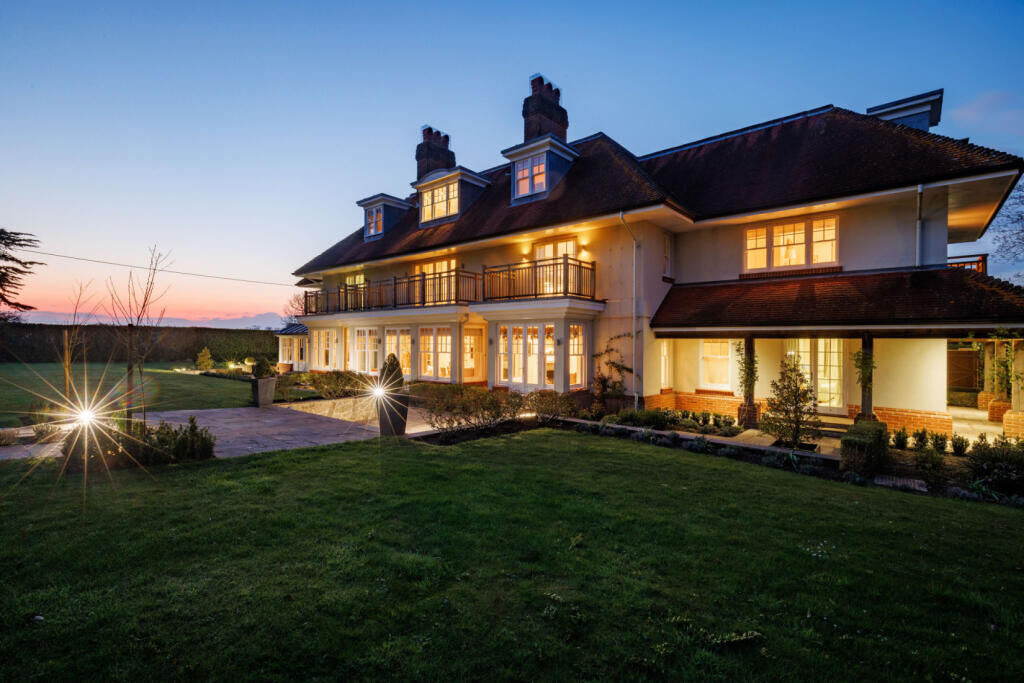
Park House is an independent country house hotel in West Sussex, set within six acres of grounds, with individually designed rooms and cottages, a spa, great food and plenty to discover both at the hotel and nearby.
The brief
Park House and its marketing agency, Triggerfish, wanted to create a new online home that better reflected the character of the hotel and gave guests more opportunity to explore it.
Rather than simply refreshing the existing website, the project started with the experience they wanted to create for guests online.
Three priorities shaped the brief:
A more visual website that allowed the property and photography to take centre stage
A deeper, more immersive experience with more content to explore
Clearer, easier navigation
The experience also needed to be built mobile first. With the majority of website visits coming from mobile devices, the first interaction with Park House needed to work just as well on a phone as it did on desktop, even though most online bookings were completed on desktop.
Triggerfish brought Data First into the project to develop and build the new website, translating the creative direction and vision for the new digital experience into a flexible technical platform.
What we built
At the heart of the new website is a fully customisable Data First CMS, developed to give the Park House team the flexibility and control to bring Triggerfish's creative direction to life and continue developing the site as the hotel evolves.
Our role was not simply to build the pages, but to create the technical framework and components that would allow the new experience to work as intended.
A visual led experience
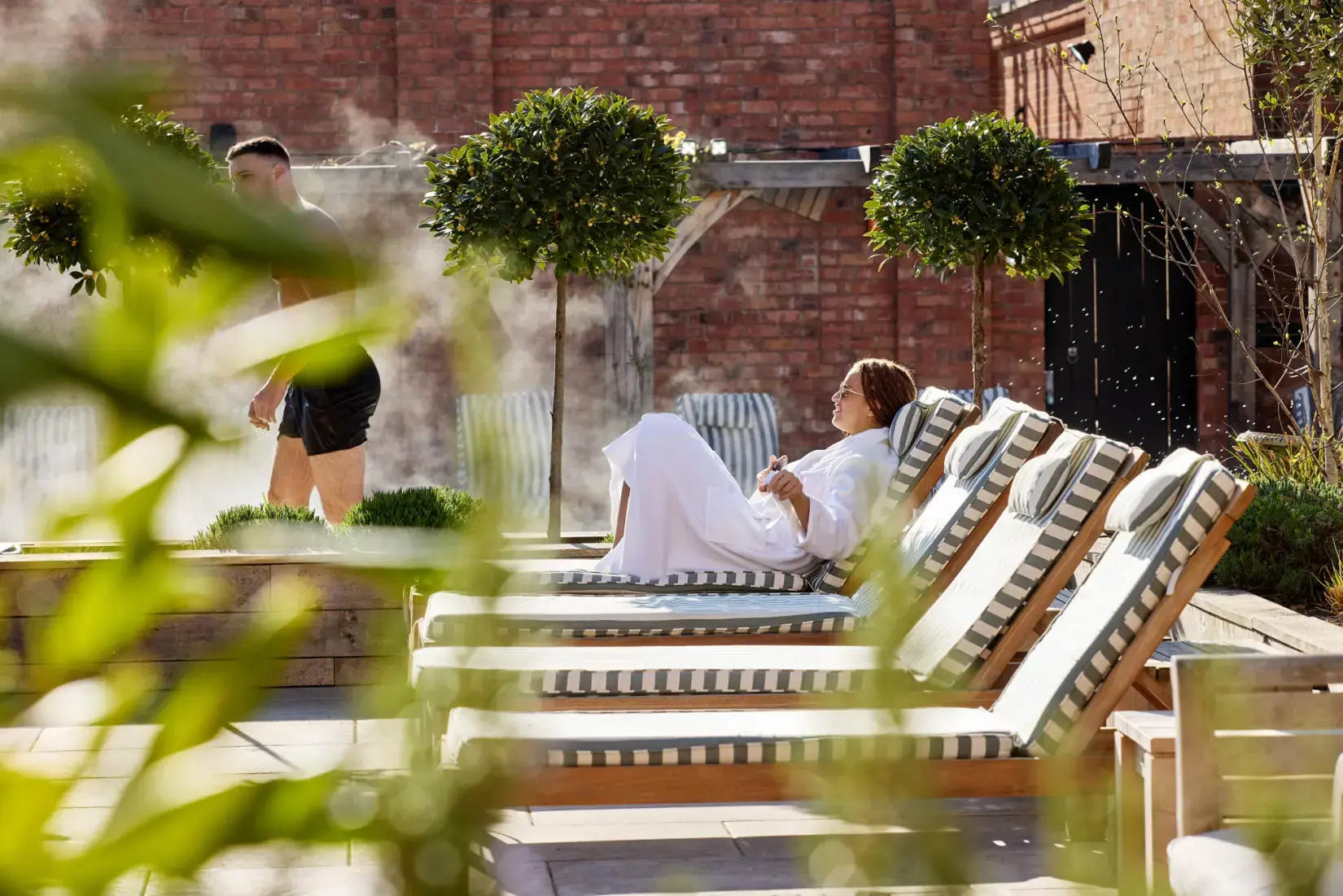
The new design gives photography and videography considerably more space throughout the site, allowing the property, grounds, rooms, food and the details that make Park House distinctive to take centre stage.
A deeper, more immersive experience
We developed a flexible set of bespoke components that gave the team greater freedom in how content could be presented across the site.
The components provide the underlying structure needed to create varied, visual layouts while maintaining clear navigation and a consistent experience throughout.
Mobile first
Mobile was a fundamental part of the brief, rather than an adaptation of the desktop experience.
The technical build was developed mobile first, reflecting how guests were actually discovering Park House. While most online bookings were completed on desktop, the guest journey often began much earlier on a phone.
That meant the first impression needed to work before a guest ever reached the booking stage.
A connected booking journey
The booking journey was another significant part of the technical development.
Working in partnership with Park House's booking engine provider, Data First directed the required UX and technical changes to create a more streamlined connection between exploring the website and making a booking.
The focus was on creating a booking journey that felt like a natural continuation of the new Park House experience.
What was achieved
The new website launched on 1 May 2026.
The data collected by Triggerfish reported the following:
Between 1 May and 24 August 2026, the new site was compared with the same period in 2025:
Metric | Change |
|---|---|
Website traffic | +9.2% |
Page views | +34% |
Active engagement time | +14% |
Scrolls | +111% |
Visitors reaching the booking page | +64% |
Tracked online revenue | +71%* |
Contact form submissions | +373% |
Website-driven email sign-ups | +504% |
*According to the Park House team, phone and email bookings were unaffected while online reservations grew, meaning the increase in online revenue was not simply a shift from other booking channels.
Website traffic increased by 9.2%, but engagement grew considerably more. Visitors explored more of the site, spent longer with the content, reached the booking page more often and were more likely to make an enquiry or sign up to hear from Park House.
The project wasn't simply about attracting more people to the website. It was about creating a digital experience that gave those visitors more reasons to explore and made the next step easier.
The takeaway
For an independent hotel, the website is much more than a booking interface.
It is often the first experience a potential guest has of the property — and that experience starts long before they decide to book.
The Park House project demonstrates what can happen when creative direction, content, technology and the booking journey are considered as part of the same experience.
For Triggerfish and Park House, the vision was to create a richer, more visual online home for the hotel.
For Data First, our role was to build the CMS, develop the components and implement the technical direction needed to make that vision work — across every stage of the guest journey.
Data First did the most fantastic job building our new Park House Hotel & Spa website, combining strong technical expertise with a real understanding of our brand positioning. Throughout the planning, build, and the final refinements, Paul was always professional, responsive, and proactive. We are absolutely delighted with the finished site.